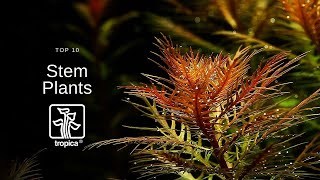
Alternanthera Reineckii Mini Uns Tissue Culture: A Complete Guide
Alternanthera Reineckii Mini Uns is a prized stem plant for freshwater aquariums. Its compact growth habit, vivid red‑purple foliage, and ability to form dense carpets make it a favorite among aquascapers. When sourced from tissue culture, the plant arrives healthy, pest‑free, and ready to thrive in a well‑balanced tank. This article explains what makes the Mini Uns variety unique, why tissue culture is the preferred propagation method, and how to care for the plant from the moment it is introduced to your aquarium.
What Is Alternanthera Reineckii Mini Uns?
Alternanthera Reineckii is a member of the Amaranthaceae family, native to South America. The “Mini Uns” form is a dwarf, unspotted cultivar that typically reaches 3–5 cm in height. Its leaves are narrow, lance‑shaped, and display a deep magenta hue that intensifies under strong lighting. Because the plant stays low, it is ideal for foreground and midground placements, creating a striking contrast with taller stem species.
Why Choose Tissue‑Cultured Specimens?
Plants propagated by tissue culture are produced in sterile laboratory conditions. This method offers several advantages over traditional seed or cut‑leaf propagation:
- Healthier start – Tissue‑cultured plants are free from parasites, algae, and bacterial infections that often accompany wild‑collected specimens.
- Uniform growth – All individuals are clones of a mother plant, ensuring consistent leaf color and size.
- Rapid establishment – Root systems develop quickly, allowing the plant to begin photosynthesizing within a few days of planting.
- Reduced waste – The small starter plug requires minimal substrate, leaving more space for other décor.
Preparing the Tank for Tissue Culture
Before introducing your Alternanthera Reineckii Mini Uns, set up a stable environment that meets its basic needs:
- Maintain a temperature between 22 °C and 26 °C (72 °F–79 °F). The plant tolerates slight fluctuations but thrives in a consistent range.
- Provide a pH of 6.5 – 7.2. Slightly acidic to neutral water supports optimal nutrient uptake.
- Use a fine‑grained substrate enriched with iron and trace minerals. A layer of laterite or specialized plant substrate under a base of sand helps anchor the delicate roots.
- Ensure moderate to high lighting. A 2–3 W per gallon LED fixture delivering 30–50 µmol m⁻² s⁻¹ is sufficient to bring out the plant’s red coloration.
- If possible, supplement with low to moderate CO₂ (15–20 ppm). While the plant can survive without injection, CO₂ enhances growth and color intensity.
Planting the Tissue Culture Plug
When the tissue‑culture plug arrives, it will be encased in a small piece of sterile gel or foam. Follow these steps to plant it safely:
- Gently rinse the plug in dechlorinated water to remove any residual gel.
- Using tweezers, place the plug into the substrate, ensuring the roots are fully covered but the crown remains just above the surface.
- Press the substrate lightly around the plug to secure it without crushing the delicate roots.
- Allow the tank to run for at least 24 hours before adding any fish, giving the plant time to acclimate.
Care and Maintenance
Once planted, Alternanthera Reineckii Mini Uns requires routine care to maintain its compact form and vivid color:
- Lighting schedule – Aim for 8–10 hours of light per day. Too much light can cause excessive elongation, while insufficient light may dull the red tones.
- Fertilization – Apply a liquid fertilizer containing macro‑nutrients (N‑P‑K) and micronutrients (especially iron) two to three times a week. A dosage of 1 ml per 20 liters is a good starting point.
- Trimming – Regularly pinch back the top 1–2 cm of growth. This encourages bushier development and prevents the plant from becoming leggy.
- Water changes