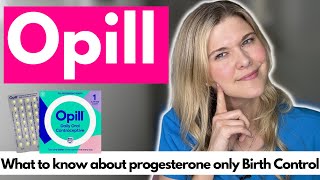
Can You Get Your Period on the Mini Pill?
The mini pill, also known as the progesterone-only pill (POP), is a popular hormonal contraceptive option for people who cannot take estrogen-based birth control. One of the most common questions people have when starting this method is whether they will still get their period. The short answer is yes, but your bleeding patterns may change significantly.
How Does the Mini Pill Work?
The mini pill contains only progesterone (or a synthetic progestin), unlike the combined pill, which includes both estrogen and progesterone. Its primary mechanism of action involves thickening cervical mucus to prevent sperm from reaching the egg and thinning the lining of the uterus. In some cases, it may also suppress ovulation, though this effect is less consistent than with combined hormonal contraceptives.
Because the mini pill does not contain estrogen, it does not rely on the same cycle regulation that combined pills provide. This is an important distinction that directly affects how your menstrual cycle behaves while on the medication.
What Happens to Your Period on the Mini Pill?
When you first begin taking the progesterone-only pill, your bleeding patterns are likely to change. Here is what many people experience:
- Irregular spotting or bleeding: In the first few months, it is common to experience unpredictable spotting or light bleeding between periods. This is one of the most frequently reported side effects.
- Lighter or shorter periods: Many people find that their periods become lighter and shorter over time while on the mini pill.
- Missed periods: Some people may stop getting a regular period altogether. This is not harmful, but it can be unsettling if you are not expecting it.
- No change at all: A smaller number of people report that their cycles remain relatively unchanged.
Is it normal to skip your period on the mini pill? Yes. The absence of a period while using the progesterone-only pill is generally not a cause for concern. Without estrogen to support a consistent buildup and shedding of the uterine lining, your cycle does not follow the predictable pattern that many people are used to.
Why Do Bleeding Patterns Change?
The progesterone-only pill works directly on the uterine lining and cervical mucus. Progesterone tends to thin the endometrium (the lining of the uterus), which means there may be less tissue to shed each month. Over time, this can lead to lighter periods, spotting, or the absence of a visible period.
Additionally, because the mini pill may or may not suppress ovulation depending on the individual, hormonal fluctuations throughout the month can vary. Without the stabilizing effect of estrogen, these fluctuations can cause irregular shedding of the uterine lining, resulting in spotting or breakthrough bleeding.
When Should You Be Concerned?
While changes in bleeding are expected, there are situations where you should consult a healthcare provider:
- Heavy or prolonged bleeding: Soaking through a pad or tampon every hour for several hours is not typical and warrants medical attention.
- Severe pelvic pain: Significant pain that interferes with daily activities should be evaluated.
- Possible pregnancy: If you have missed pills or are experiencing other signs of pregnancy, take a test and speak with your provider.
- Spotting that persists beyond three months: While some spotting is normal initially, breakthrough bleeding that continues well beyond the adjustment period may indicate a need to switch formulations.
Your period can still serve as a useful indicator of your reproductive health, even while on contraception. Tracking your cycle and any changes you notice is always a good practice.