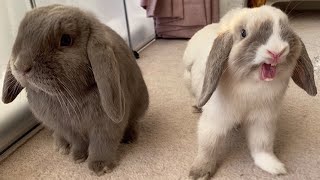
The Holland Mini Lop has captured the hearts of rabbit enthusiasts worldwide. If you are trying to decide between rabbit breeds for a family pet, this compact, charismatic companion deserves your consideration. This article explores everything you need to know about the delightful Holland Mini Lop.
Origins and Recognition
Developed in the Netherlands in the mid-20th century, the Holland Mini Lop is a true dwarf breed. It was created by crossing the Netherland Dwarf with the French Lope, aiming for a smaller, more refined version of the larger Mini Lop. The breed was later perfected in the United States and received official recognition from the American Rabbit Breeders Association (ARBA) in 1979. Their pedigree is a mix of Dutch heritage and selective breeding for specific physical and temperamental traits.
Physical Characteristics
The Holland Mini Lop is prized for its compact, sturdy body and signature lopped ears. Here are its key features:
- Size: This is a true dwarf rabbit. Adults typically weigh between 2 to 4 pounds (0.9 to 1.8 kg). Their small stature makes them an ideal choice for those looking for a perfect small pet.
- Ears: The hallmark of the breed. Their ears are short, rounded, and hang close to the cheeks, giving them a perpetually sweet expression.
- Head and Body: They have a broad head, a short neck, and a well-rounded, muscular body known as a "rollback" coat.
- Coat: The fur is dense, soft, and averages 1 to 2 inches in length. It requires minimal grooming beyond regular brushing.
- Variety: Holland Mini Lops come in a wide array of colors and patterns, including solid, broken, and agouti varieties.
Temperament and Personality
Holland Mini Lops are renowned for their gentle and affectionate nature. They often bond closely with their owners and can be quite social. While every rabbit has a unique personality, this breed is generally described as:
- Friendly and Outgoing: They often enjoy attention and can learn to come when called.
- Curious and Playful: They are intelligent and require mental stimulation to prevent boredom.
- Generally Calm: While active, they are not as high-strung as some other dwarf breeds, making them suitable for families with older, respectful children.
Proper socialization from a young age is crucial to ensure they are comfortable with handling and