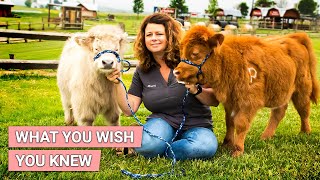
How Big Do Mini Cows Get? A Comprehensive Guide
Mini cows have captured the imagination of hobby farmers, homesteaders, and animal lovers alike. Their compact size, gentle temperament, and manageable care requirements make them an appealing alternative to full‑sized cattle. Yet, many prospective owners wonder exactly how big these animals become. This article explores the typical height and weight ranges of mini cows, the factors that influence their growth, and how they compare to standard breeds.
Typical Height and Weight Ranges
Most mini cow breeds fall into a clear size category that distinguishes them from larger cattle. On average, adult mini cows stand between 36 and 48 inches tall at the shoulder. Their weight usually ranges from 300 to 600 pounds, though some individuals can be slightly lighter or heavier depending on genetics and nutrition.
Below are the common size brackets for the three most popular mini cow breeds:
- Miniature Hereford: 36‑42 inches tall, 300‑450 pounds.
- Miniature Angus: 38‑44 inches tall, 350‑500 pounds.
- Miniature Jersey: 40‑48 inches tall, 400‑600 pounds.
These figures represent the typical adult size after a mini cow reaches full maturity, which usually occurs between 3 and 4 years of age.
Factors That Influence Final Size
While breed standards provide a useful baseline, several variables can cause individual mini cows to deviate from the average.
- Genetics – The size of the parents is the strongest predictor of an offspring’s ultimate height and weight. Selecting breeding pairs that conform closely to the breed’s miniature standards helps maintain consistent size.
- Nutrition – Proper feeding regimes support healthy growth without encouraging excessive weight gain. Over‑feeding high‑energy concentrates can push a mini cow beyond the desired weight range.
- Sex – Bulls tend to be larger and heavier than cows within the same breed, often adding 10‑20 percent more mass.
- Health and Management – Chronic illnesses, parasites, or poor husbandry can stunt growth. Conversely, excellent veterinary care and a stress‑free environment promote optimal development.
Mini Cows vs. Standard Cattle
Understanding the size difference between mini cows and their full‑sized counterparts helps owners appreciate the practical benefits of the miniature varieties.
- Height – Standard breeds such as Holstein or Angus typically stand 55‑60 inches at the shoulder, nearly double the height of the smallest mini cows.
- Weight – Full‑sized cattle often exceed 1,200 pounds, with some bulls reaching 2,000 pounds. Mini cows, by contrast, remain under 600 pounds, making them easier to handle.
- Space Requirements – Because of their reduced size, mini cows need less pasture acreage. A herd of three to four mini cows can thrive on as little as one to two acres, whereas a comparable number of standard cows would demand significantly more land.
Practical Implications of Size
The compact stature of mini cows influences many aspects of daily care.
- Handling – Their manageable size allows a single adult to safely move, groom, and transport them without specialized equipment.
- Housing – Shelters and fencing can be built on a smaller scale, reducing construction costs.
- Milking – Miniature dairy breeds, such as the Miniature Jersey, produce modest milk yields (often 2‑4 gallons per day) that are well‑suited for personal consumption rather than commercial production.
- Transportation – Mini cows can be loaded onto standard livestock trailers without the need for oversized compartments, simplifying trips to shows or veterinary appointments.
How to Ensure Your Mini Cows Stay Within Desired Size Limits
Maintaining the miniature status of your herd involves a combination of selective breeding and attentive management.
- Choose breeding stock that meets the breed’s official miniature standards.
- Provide a balanced diet that includes high‑quality forage, moderate grain, and essential minerals.
- Monitor body condition regularly; a visual scoring system can help detect early signs of over‑conditioning.
- Schedule routine health checks to address parasites, hoof problems, and other issues that could affect growth.
- Consider using a growth chart to track height and weight from birth to maturity, adjusting nutrition as needed.
Conclusion
Mini cows typically reach a height of 36‑48 inches and a weight of 300‑600 pounds, making them a practical and appealing choice for small‑scale livestock enthusiasts. Their size is shaped by breed genetics, nutrition, sex, and overall health, and they remain considerably smaller than standard cattle. By understanding these dimensions and the factors that influence growth, owners can