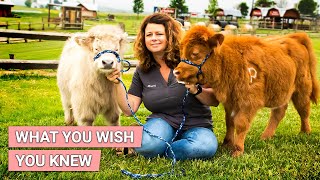
How Long Do Mini Cows Live?
Miniature cattle, often called “mini cows,” have become popular for small farms, hobbyists, and even backyard homesteads. Their compact size makes them easier to manage, but many owners wonder how long these animals can be expected to live. While exact numbers vary by breed and individual health, most mini cows share a lifespan that is comparable to, or slightly longer than, their full‑sized counterparts when they receive proper care.
Typical Lifespan Range
On average, mini cows live between 12 and 20 years. Some breeds, such as the Miniature Dexter, often reach the upper end of this range, while others, like the Lowline, may average closer to the lower end. The variation reflects differences in genetics, body size, and the environments in which they are kept.
Key Factors That Influence Longevity
Several factors determine how long a mini cow will thrive. Understanding these can help owners make informed decisions that promote a long, healthy life for their animals.
- Genetics: Breeds with a history of robust health tend to live longer. Selecting animals from reputable breeders who prioritize health over appearance can add years to a cow’s life.
- Nutrition: A balanced diet that meets the specific needs of a miniature breed is essential. Over‑feeding, especially with high‑energy concentrates, can lead to obesity and related health problems.
- Living Conditions: Access to clean water, shelter from extreme weather, and safe pasture reduces stress and exposure to disease.
- Veterinary Care: Regular check‑ups, vaccinations, and prompt treatment of injuries or illnesses are critical for extending lifespan.
- Exercise and Social Interaction: Mini cows are herd animals. Regular movement and companionship help maintain physical health and mental well‑being.
Tips for Maximizing the Lifespan of Mini Cows
Owners who want their mini cows to enjoy the full length of their natural lifespan can follow these practical guidelines:
- Choose a Healthy Breed: Research breeds known for longevity, such as the Miniature Dexter, and ask breeders for health records.
- Provide a Proper Diet: Feed a high‑quality hay base, supplement with a modest amount of grain if needed, and ensure mineral blocks are available.
- Maintain Clean Housing: Regularly clean stalls and pastures to prevent parasites and bacterial infections.
- Schedule Routine Veterinary Visits: Annual exams, deworming, and vaccinations keep preventable diseases at bay.
- Monitor Body Condition: Use a body condition scoring system to keep weight within a healthy range; adjust feed accordingly.
- Encourage Social Interaction: Keep mini cows in pairs or small groups to satisfy their herd instincts.
- Prevent Injuries: Fence pastures securely, remove sharp objects, and provide soft bedding to reduce the risk of cuts and bruises.
Common Health Issues to Watch For
Even with excellent care, mini cows can develop health problems that may affect their lifespan. Early detection and treatment are essential.
- Hoof Problems: Overgrown or cracked hooves can lead to lameness. Regular trimming every 6–8 weeks helps prevent this.
- Respiratory Infections: Cattle are prone to pneumonia, especially in cold, damp conditions. Prompt veterinary intervention can reduce mortality.
- Digestive Disorders: Bloat and hardware disease (foreign objects in the rumen) are common in confined feeding situations. Providing ample roughage and monitoring feed intake mitigates risk.
- Reproductive Issues: Mini cows used for breeding may experience dystocia (difficult births). Careful breeding selection and monitoring during pregnancy are advisable.
Real‑World Longevity Stories
Many owners report mini cows living well beyond 15 years with proper management. For example, a Miniature Dexter named “Bessie” was cared for on a small hobby farm and celebrated her 18th birthday with a health check that confirmed she was still in excellent condition. Such anecdotes illustrate that the upper end of the lifespan range is achievable when attention to diet, environment, and veterinary care is consistent.
Conclusion
In summary, mini cows typically live 12 to 20 years, with the potential to reach the higher end of that spectrum under optimal conditions. By selecting healthy genetics, providing balanced nutrition, ensuring clean and safe living spaces, and maintaining regular veterinary oversight, owners can give their miniature cattle the best chance for a long, thriving life. Understanding the factors that influence longevity empowers caretakers to make