iPhone 12 Mini vs iPhone SE: Which Small iPhone Fits Your Needs
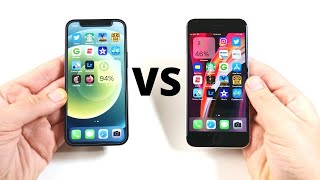
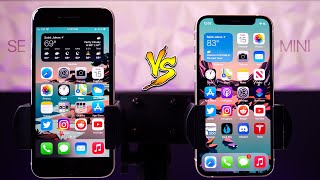
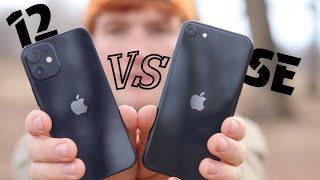
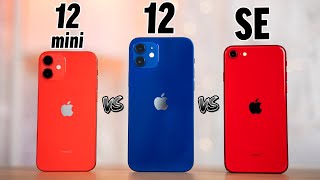
The iPhone 12 Mini and iPhone SE (2020) are Apple’s two compact offerings, but they target different priorities. One emphasizes a modern design with a high‑end display, while the other focuses on classic ergonomics and cost‑effective performance. Below we break down the most important factors so you can decide which small iPhone aligns with your daily use.
Design and Build
Both phones share a similar footprint, but the materials differ. The iPhone 12 Mini features an aluminum frame with a glass front and back, giving it a premium feel and enabling wireless charging. The iPhone SE retains the classic iPhone 8‑style design, using an aluminum chassis with a glass front and a polished aluminum back. The SE’s larger bezels make it slightly easier to grip, whereas the Mini’s edge‑to‑edge design feels more contemporary. Both are IP68 water‑ and dust‑resistant, though the Mini’s newer certification covers deeper immersion.
Display Quality
The Mini boasts a 5.4‑inch Super Retina XDR OLED panel, delivering deep blacks, vibrant colors, and a resolution of 2340 × 1080 pixels. This translates to a sharp 476 ppi density, which is comparable to larger iPhone models. In contrast, the iPhone SE uses a 4.7‑inch Retina HD LCD screen with a 1334 × 750 resolution and 326 ppi. While the SE’s display is perfectly adequate for everyday tasks, the Mini’s OLED panel offers superior contrast and HDR support, making it a better choice for media consumption and gaming.
Performance and Processor
Both devices run iOS, but their processors set them apart. The iPhone SE is powered by the A13 Bionic chip, the same silicon that drove the iPhone 11 series. It delivers excellent speed for apps, photography, and light gaming. The iPhone 12 Mini steps up to the A14 Bionic, a newer generation built on a 5‑nanometer process. The A14 provides a modest boost in CPU and GPU performance, especially noticeable in graphics‑intensive tasks and future‑proofing for upcoming iOS features. For most users, the A13’s performance is more than sufficient, but power users may appreciate the extra headroom of the A14.
Camera Capabilities
The SE relies on a single 12‑megapixel wide‑angle lens with an f/1.8 aperture. It supports Portrait mode, Smart HDR, and 4K video recording at up to 60 fps. The iPhone 12 Mini adds a second 12‑megapixel ultra‑wide lens (f/2.4) alongside the main wide‑angle sensor. This dual‑camera system enables true ultra‑wide shots, better low‑light performance, and Night mode on both lenses. If you frequently shoot landscapes or need flexible framing, the Mini’s extra camera offers a clear advantage. Otherwise, the SE’s single camera still produces sharp, color‑accurate images for typical everyday use.
Battery Life and Charging
Battery capacity is a common point of comparison. The iPhone 12 Mini houses a 2227 mAh battery, while the iPhone SE contains a 1821 mAh unit. In real‑world testing, the Mini typically lasts about a day of moderate use, whereas the SE may require a top‑up by late afternoon for heavy users. Both support fast charging via a 20 W adapter (sold separately) and Qi wireless charging, but the Mini’s glass back makes wireless charging more seamless. If you prioritize longer unplugged time, the Mini holds a slight edge.
Price and Value
Pricing is where the SE shines. At launch, the iPhone SE was priced around $399 for the base model, positioning it as the most affordable entry point into Apple’s ecosystem. The iPhone 12 Mini started at $699, reflecting its newer design, OLED display, and dual‑camera system. For budget‑conscious buyers, the SE offers solid performance at a fraction of the cost. However, the Mini’s higher price brings a more modern aesthetic and a few extra features that some users may deem worth the premium.
Software Support and Longevity
Apple typically provides iOS updates for five to six years after a device’s release. Both the SE and the Mini launched in 2020, so they are on a similar update trajectory. The A14 chip in the Mini may give it a marginal advantage in handling future iOS releases that demand more processing power, but the A13 in the SE is still highly capable and has already proven its durability through several major iOS versions.
Which One Should You Choose?
Choosing between the iPhone 12 Mini and the iPhone SE depends on what you value most in a small iPhone. If you want a compact phone with a cutting‑edge OLED display, dual‑camera flexibility, and a slightly longer battery, the iPhone 12 Mini is the clear winner. If you prefer a lower price, a familiar design, and performance that still feels fast for everyday tasks, the iPhone SE offers an excellent balance of cost and capability.