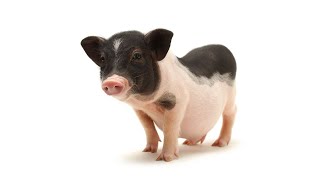
Is There A Such Thing As Mini Pigs?
Mini pigs have captured the curiosity of many animal lovers who are looking for a unique and cute pet to add to their family. While the idea of a pint‑sized porky companion sounds charming, it also raises questions about health, behavior, and responsibility. This article explores what mini pigs really are, how they differ from regular pigs, and what you need to consider before bringing one home.
Understanding the Mini Pig Phenomenon
Most people know that pigs are intelligent mammals that can weigh several hundred pounds. The term “mini pig” refers to a pig that stays relatively small—typically under 70 pounds when fully grown. These animals are often marketed as “teacup” or “miniature” pets, but the reality is more nuanced.
Mini pigs are not a separate species; they are domestic pigs (Sus scrofa domestica) selectively bred for smaller size. Breeds such as the Vietnamese pot‑bellied pig, the Juliana pig, and the Kunekune are commonly sold as mini pigs. Their size is influenced by genetics, diet, and environment, which means that even a pig marketed as “teacup” can grow larger than expected.
Physical Characteristics and Growth
When you first meet a mini pig, you may notice a compact body, a short snout, and a soft coat that can range from pink to black. Their ears are often upright, and they possess a playful, curious expression. However, unlike dogs or cats, pigs continue to grow throughout their lives. A pig that weighs 15 pounds at six months may reach 50 pounds or more by the time it is three years old.
Because mini pigs are still pigs, they share many of the same biological needs as their larger counterparts. They require a balanced diet rich in fiber, fresh water, and regular veterinary care. Overfeeding or feeding an improper diet can lead to obesity, which shortens their lifespan and can cause joint problems.
Temperament and Social Needs
One of the most appealing traits of mini pigs is their intelligence. They can be trained to respond to commands, use a litter box, and even perform tricks. Their social nature means they often form strong bonds with their owners and enjoy interactive play.
Thinking about getting a mini pig? Remember that they are herd animals. If you keep a single pig, you’ll need to spend extra time providing companionship through play, walks, and mental stimulation. Many owners find that having two pigs creates a more balanced social dynamic, reducing boredom and stress.
Care Requirements and Lifestyle Compatibility
Mini pigs need a safe environment that accommodates their size and natural behaviors. Here are some essential considerations: