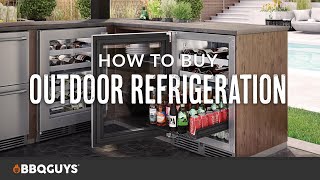
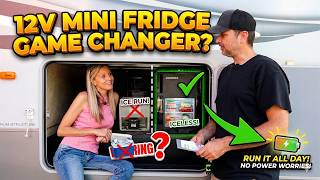
Mini Fridge For Outdoors: A Practical Guide
When you’re planning a camping trip, a backyard barbecue, or a weekend getaway in a cabin, a mini fridge designed for outdoor use can be a game‑changer. It keeps drinks cold, preserves perishable foods, and reduces the need for frequent trips to the nearest store. This guide walks you through the key considerations, power options, essential features, and maintenance tips so you can choose a mini fridge that fits your outdoor lifestyle.
Why Choose a Mini Fridge for Outdoor Adventures?
Traditional household refrigerators are built for stable indoor environments. Outdoor mini fridges, on the other hand, are engineered to handle temperature fluctuations, vibrations, and exposure to the elements. They are typically more compact, lighter, and equipped with flexible power sources, making them ideal for:
- Camping trips where space in the vehicle is limited.
- Backyard parties where you want chilled beverages within arm’s reach.
- RV travel, where a compact fridge can free up valuable living space.
- Fishing or hunting excursions that require fresh bait or snacks.
Choosing the Right Size and Capacity
The first step is to match the fridge’s capacity to your intended use. Outdoor mini fridges usually range from 1.5 cubic feet to 4.5 cubic feet. Consider the following:
- Group size: A small 1.5‑cubic‑foot unit can comfortably hold a few cans and a small snack pack for two people. For families or larger groups, aim for 3 cubic feet or more.
- Duration of the trip: Longer trips may require extra space for fresh produce, dairy, and meat, so a larger capacity reduces the need for frequent restocking.
- Vehicle storage: Measure the trunk or storage compartment of your car, SUV, or RV to ensure the fridge fits without compromising safety.
Power Options: From Batteries to Solar Panels
Outdoor mini fridges can run on a variety of power sources, giving you flexibility depending on where you camp.
- 12‑volt DC: Most vehicle batteries provide a 12‑volt outlet. A fridge with a DC input can be plugged directly into the car’s cigarette lighter or a dedicated power port.
- 120‑volt AC: When you’re at a campsite with electrical hookups, an AC‑compatible fridge can be powered from a standard outlet.
- Solar: Some models include built‑in solar charge controllers, allowing you to connect a portable solar panel. This is especially useful for off‑grid locations.
- Hybrid adapters: Many outdoor fridges come with adapters that let you switch between DC and AC power seamlessly, ensuring continuous operation.
When selecting a fridge, check the wattage rating. A typical outdoor mini fridge consumes between 40 and 80 watts while running, plus a small surge at start‑up. Pairing the fridge with a battery that offers sufficient amp‑hours will prevent premature depletion.
Key Features to Look For
Beyond size and power, certain features enhance convenience and durability.
- Thermostatic control: A digital or dial‑adjustable thermostat lets you set the interior temperature between 35 °F and 55 °F, covering both refrigeration and mild freezing needs.
- Insulated construction: Thick foam insulation reduces the workload on the compressor, preserving cold longer when the unit is turned off.
- Durable exterior: Look for a rugged, water‑resistant shell that can withstand splashes, dust, and minor impacts.
- Adjustable shelves: Removable or sliding shelves provide flexibility for storing tall bottles, food containers, or small camping gear.
- Locking door: A lockable latch prevents accidental opening and adds a layer of security for valuable items.
- Quiet operation: Low decibel levels are important for night‑time use in tents or RVs where noise can disturb sleep.
Maintenance and Care in the Outdoors
Proper upkeep extends the life of your mini fridge and keeps it operating efficiently.
- Cleaning: Wipe the interior with a mild detergent after each use. Remove spills promptly to avoid mold growth.
- Ventilation: Ensure the back or sides of the fridge have adequate airflow. Blocked vents can cause overheating and reduce cooling performance.
- Battery management: If you rely on a vehicle battery, monitor its charge level. Use a deep‑cycle battery for longer trips and consider a solar charger to replenish power.
- Seasonal storage: When not in use, store the fridge in a dry place, cover it with a breathable cloth, and leave the door slightly ajar to prevent stale odors.
Top Picks for Outdoor Mini Fridges
While brand preferences vary, the following criteria help identify models that consistently meet outdoor demands:
- Compact size