Mini Schnauzer and Yorkie Mix: An Overview
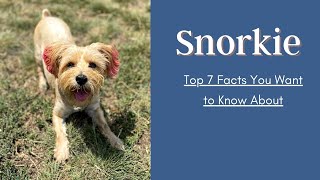
The Mini Schnauzer and Yorkie mix, often affectionately called the “Snorkie,” blends the spirited nature of the Yorkshire Terrier with the sturdy charm of the Miniature Schnauzer. This hybrid dog typically inherits a balance of intelligence, loyalty, and a lively disposition, making it a popular choice for families and individuals seeking a compact yet engaging companion.
Physical Characteristics
While each Snorkie can vary, most share a set of recognizable traits:
- Size: Adult weight usually ranges from 8 to 12 pounds, with a height of 8 to 11 inches at the shoulder.
- Coat: The fur is often medium‑length, wavy to curly, and can display colors such as black, tan, silver, or a combination of these shades.
- Head and Ears: A square‑shaped head with a slightly tapered muzzle, and ears that may be erect like a Schnauzer’s or semi‑floppy like a Yorkie’s.
- Tail: Typically carried high and may be docked in regions where docking is still practiced, though many owners prefer a natural tail.
Regular grooming is essential to keep the coat healthy and to reduce shedding, which is generally moderate for this mix.
Temperament and Personality
Snorkies are known for a vibrant personality that reflects both parent breeds:
- Playful Energy: They enjoy interactive games and can keep up with active households.
- Affectionate Loyalty: Strong bonds form quickly with family members, and they often seek close physical contact.
- Alertness: Their keen senses make them good watchdogs, though they are rarely aggressive.
- Intelligence: Quick learners who respond well to positive reinforcement training.
Because of their sociable nature, early socialization with other pets and strangers helps prevent shyness or over‑protectiveness later in life.
Training and Socialization
Training a Mini Schnauzer and Yorkie mix is generally straightforward when consistency and patience are applied. Here are key points to consider:
- Start with basic commands (sit, stay, come) using treats and praise.
- Introduce a variety of environments—parks, sidewalks, and homes with other animals—to build confidence.
- Use short, frequent sessions to keep the dog engaged; their attention span is moderate.
- Address any barking tendencies early by rewarding quiet behavior.
- Consider enrolling in a reputable obedience class for structured socialization.
Exercise Needs
Despite their small stature, Snorkies require regular activity to stay healthy and happy. Daily walks of 20 to 30 minutes, combined with playtime in a secure yard or indoor fetch sessions, typically meet their energy requirements. Mental stimulation—puzzle toys, scent games, or short agility drills—helps prevent boredom‑related behaviors.
Health Considerations
Like all mixed breeds, the Mini Schnauzer and Yorkie mix may inherit health concerns from either parent. Common issues to monitor include:
- Dental Problems: Small mouths can lead to crowded teeth; regular brushing and dental chews are advisable.
- Patellar Luxation: A knee joint condition that can cause intermittent limping.
- Skin Allergies: Sensitive skin may react to certain foods or environmental allergens.
- Eye Disorders: Conditions such as cataracts or progressive retinal atrophy may appear later in life.
Annual veterinary check‑ups, a balanced diet, and preventive care can mitigate many of these risks. Expect a lifespan of 12 to 15 years with proper maintenance.
Grooming Requirements
Maintaining the Snorkie’s coat involves a routine that balances hygiene with the breed’s natural texture:
- Brush the coat 2–3 times weekly to prevent tangles.
- Schedule a professional trim every 6–8 weeks, especially if the coat is left longer.
- Bathe the dog monthly or as needed, using a mild dog shampoo.
- Trim nails regularly to avoid overgrowth.
- Check ears for wax buildup and clean gently to prevent infections.
Living Environment Suitability
Mini Schnauzer and Yorkie mixes adapt well to various living situations:
- Apartments: Their modest size and moderate exercise needs make them apartment‑friendly, provided they receive daily walks.
- Family Homes: They thrive in households with children who respect their small frame and can engage in gentle play.
- Senior Companions: Their affectionate nature offers comfort to older adults, though supervision around very young