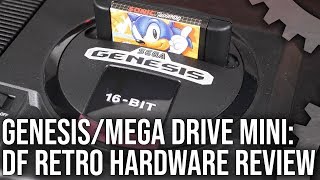
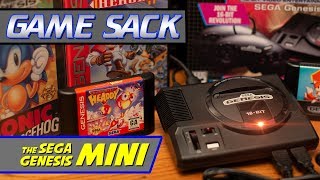
What the Sega Genesis Mini Mega Drive Brings to Modern Gaming
The Sega Genesis Mini, also marketed as the Mega Drive Mini in regions where the console was originally known as the Mega Drive, is a compact recreation of the classic 16‑bit system. It aims to deliver the nostalgia of the original hardware while adding conveniences that modern gamers expect. This article explores the hardware, the game library, the user interface, and how the Mini version fits into today’s retro‑gaming landscape.
Design and Build Quality
The Mini adopts a sleek, rectangular form factor that mimics the silhouette of the original console but at a fraction of the size. The controller ports are standard USB‑C, allowing the included controllers to plug directly into most modern devices. The controllers themselves retain the classic three‑button layout with a D‑pad, providing a familiar feel for long‑time fans while remaining comfortable for newcomers.
Inside, the console houses a modest system‑on‑chip that emulates the original hardware. The emulation is handled by a well‑known chip manufacturer, ensuring that the games run at their intended speed and with accurate sound reproduction. The Mini does not support external cartridges or accessories, but the built‑in library compensates for that limitation.
Game Library: 42 Classic Titles
The core of the Sega Genesis Mini Mega Drive is its collection of 42 pre‑installed games. The selection spans several genres, offering something for every type of retro gamer:
- Sonic the Hedgehog – The iconic blue speedster makes his debut, delivering fast‑paced platforming that defined a generation.
- Alex Kidd in Miracle World – A charming platform adventure that showcases the early days of Sega’s mascot before Sonic.
- Earthworm Jim – A quirky run‑and‑gun title known for its humor and inventive level design.
- Castlevania: Bloodlines – A darker, gothic action‑platformer that adds variety to the lineup.
- Streets of Rage 2 – A beat‑em‑up classic that remains a favorite for cooperative play.
- Golden Axe – A fantasy hack‑and‑slash that lets players wield magic and melee attacks.
Beyond these headline titles, the library includes sports games, racing titles, and lesser‑known gems that together paint a comprehensive picture of the Genesis era. While the exact roster may differ slightly by region, the overall mix balances well‑known franchises with hidden treasures.
User Interface and Navigation
The Mini’s menu system is designed for simplicity. Upon powering up, users are greeted with a clean grid that displays each game’s cover art. Selecting a title launches the game instantly, and a pause overlay offers options such as save state, load state, and screen scaling. The save‑state feature is particularly valuable, allowing players to pause at any point and resume later—a convenience that the original hardware never provided.
Additional settings include:
- Aspect ratio control, letting users switch between the original 4:3 display and a stretched 16:9 view.
- Audio volume adjustments for both music and sound effects.
- Controller configuration, which lets players remap buttons if desired.
The UI runs smoothly, with minimal lag when scrolling through the library. The inclusion of subtle sound cues and visual feedback adds polish without detracting from the retro aesthetic.
Performance and Emulation Accuracy
Emulation on the Sega Genesis Mini Mega Drive is handled by a dedicated chip that reproduces the original console’s timing and audio channels. Most titles run at the correct speed, and the sound chip faithfully renders the FM synthesis and PSG tones that defined the Genesis soundscape. Minor visual glitches can appear in a few games, typically due to the way the emulator handles sprite priorities, but these are generally rare and do not impede gameplay.
The Mini also supports save states and rewind functionality. The rewind feature records a short buffer of recent gameplay, allowing players to backtrack a few seconds with a single button press—a handy tool for tackling difficult platform sections.
How the Mini Compares to the Original Console
When measured against the original 1990s hardware, the Sega Genesis Mini offers several advantages:
- Convenient plug‑and‑play – No need for a TV adapter, power brick, or external speakers.
- Built‑in library – Access to 42 games without hunting for cartridges.
- Modern features – Save states, rewind, and screen scaling improve accessibility.
However, the Mini does have limitations. It cannot accept original game cartridges, nor does it support peripherals like the Sega CD or 32X. Those who own a collection of physical games will miss the tactile experience of swapping cartridges, but the Mini’s curated selection still captures the essence of the era.