Understanding the Standard D&D Mini Size
The standard Dungeons & Dragons mini size has become a de‑facto norm for tabletop hobbyists worldwide. While the official rulebooks do not dictate a specific measurement for miniatures, the community has converged on a scale that balances visual clarity, ease of handling, and compatibility with terrain.
Why 28 mm Became the Default
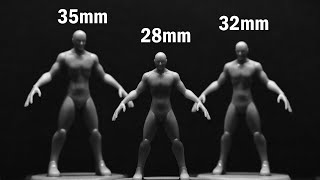
Most D&D players use 28 mm figures, measured from the base to the eye level of the miniature. This size offers several practical advantages:
- Readability: Details such as armor, weapons, and facial features remain distinguishable at typical gaming table distances.
- Table Space: A 28 mm mini fits comfortably on a 1‑inch square grid, the most common layout for D&D battle maps.
- Compatibility: Terrain accessories, modular board tiles, and terrain kits are largely designed for this scale.
Alternative Scales and When to Use Them
While 28 mm dominates, other scales appear in specialty collections or specific campaigns:
- 15–20 mm: Ideal for large‑scale battles where dozens of units need to be represented without cluttering the table.
- 35–40 mm: Preferred by hobbyists who prioritize sculpt detail and who have ample table space.
- 1:100 (1 inch = 100 ft): Used in some war‑gaming circles to model entire cities or fortifications.
Switching scales mid‑campaign can cause confusion, so most groups stick to the 28 mm standard unless a specific scenario demands a different approach.
Measuring Miniatures: From Base to Eye Level
When evaluating a mini for D&D, the most reliable method is to measure from the bottom of the base to the eye line of the figure. This measurement excludes any weapon extensions or raised platforms. For example, a typical 28 mm dwarf will actually stand about 30 mm tall when the weapon is included, but its core size remains within the 28 mm range.
Common Misconceptions About Scale
Many new players assume that “bigger is better” when it comes to miniatures. However, larger figures can create several issues:
- They may obscure adjacent squares, making it harder to track movement.
- They often require larger bases, which can interfere with terrain pieces.
- Printing or purchasing larger minis can increase cost without adding gameplay value.
As a result, hobbyists who focus on tactical clarity often prefer the standard size, especially for campaigns that involve frequent combat encounters.
3D Printing and the Standard Mini Size
Advances in 3D printing have made it easier than ever to create custom minis that match the 28 mm standard. When preparing a model for print, consider the following steps:
- Scale the Model: Use a 3‑D